
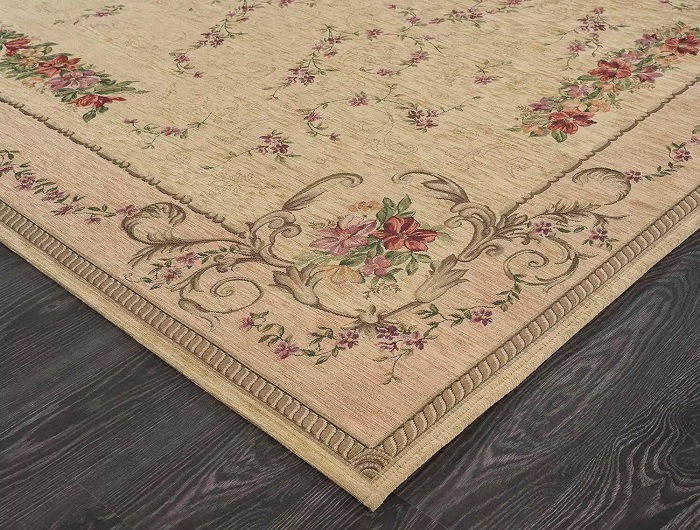
The world of interior design is never static — it evolves with trends, technologies, and tastes. Yet, in the midst of this evolution, some traditions remain timeless. Belgian rugs, in particular, have stood the test of time because they balance centuries-old craftsmanship with contemporary innovation. In this deep dive, we’ll explore the Belgian rug manufacturing process from raw fibers to finished masterpieces that anchor homes around the world.
Before we begin, here’s a resource to better understand one of Belgium’s most revered rug makers: de poortere rugs. This brand exemplifies how tradition and modern design can coexist in every weave.
The Legacy of Belgian Rug Making
Belgium’s textile history stretches back hundreds of years. Flanders, a region in northern Belgium, was once Europe’s textile powerhouse, exporting fine fabrics and tapestries across the continent. This legacy informs Belgium’s approach to rug making today: a commitment to quality, texture, and artistic design.
With globalization and shifting manufacturing hubs, many industries lost their artisanal roots. However, Belgian rug makers have maintained a unique position by blending time-tested techniques with environmentally responsible practices and contemporary aesthetics.
1. Choosing the Right Materials
The journey of a Belgian rug begins long before any knot is tied or tuft is cut. Material selection is one of the most critical steps, influencing texture, durability, appearance, and feel.
- Natural Fibers: Wool, cotton, silk, and jute are among the popular choices. Wool remains a favorite for its resilience and warmth.
- Synthetic Fibers: In some modern compositions, polyester, nylon, or viscose may be used for specific performance characteristics, such as stain resistance or affordability.
Belgian manufacturers often blend fibers to achieve a balance between luxury and practicality. For example, wool may be mixed with a small percentage of silk to add a subtle sheen without compromising durability.
2. Spinning and Dyeing: Creating Perfect Yarn
Once materials are selected, they are spun into yarn. The quality of spinning directly affects the rug’s resilience and surface feel. In Belgium, spinning is generally done in controlled conditions to ensure consistency.
Dyeing comes next, and this is where color theory meets chemistry. Belgian rug makers invest in precision dyeing — ensuring that colors are vibrant, consistent, and long-lasting. Whether it’s a single hue for minimalist rugs or a complex palette for more artistic designs, dyeing is both a science and an art.
Some dyeing processes use natural dyes derived from plants and minerals, which can offer a softer, more organic color spectrum. Others use advanced synthetic dyes engineered for fade resistance and colorfastness.
3. Design and Pattern Development
Design is where creativity pulses through the manufacturing process. Belgian designers often pull inspiration from a diverse range of influences: classic Flemish art, modern minimalism, abstract expressionism, and even architectural motifs.
Designers typically begin with sketches — either by hand or with digital tools. These are translated into precise patterns that specify color placement, pile height, density of weave, and more. In some studios, design teams collaborate closely with clients to create custom patterns that integrate personal elements or unique color schemes.
Modern tools, such as computer-aided design (CAD), allow for virtual previews of patterns on different rug sizes and in different environments before a single thread is placed.
4. Weaving and Tufting: The Heart of Production
This stage is where raw materials truly become rugs. There are two primary methods used in Belgian rug manufacturing:
- Hand Weaving: A centuries-old craft that produces rugs with distinct character and variation. Each knot is tied by hand, resulting in rugs that can be considered works of art. This method is labor-intensive and requires highly skilled artisans.
- Machine Tufting: A modern technique where yarn is pushed through a backing material using a tufting gun. Machine-tufted rugs can be produced faster and more consistently — ideal for larger volumes and contemporary designs.
Belgian manufacturers often use a hybrid approach — employing machine technology for structural precision and human hands for finishing touches. This ensures both efficiency and artistic integrity.
5. Quality Control: Ensuring Perfection
Quality control is woven into every stage of Belgian rug production, not just at the end. Technicians evaluate yarn consistency, check dye samples for color accuracy, and verify that patterns align with the original design.
After weaving or tufting, rugs undergo rigorous inspection. Technicians look for:
- Uneven pile height
- Loose or stray fibers
- Color inconsistencies
- Structural weaknesses
If defects are found, rugs may be corrected by hand or, in rare cases, discarded. This commitment to quality — even at the cost of time or materials — is a hallmark of Belgian manufacturing.
6. Washing, Finishing, and Shearing
Once a rug passes its initial inspection, it moves to washing and finishing. Wool rugs, for instance, are washed to remove any residual dye and to soften the fibers. Finishing may involve specialized treatments to enhance texture or performance properties, such as stain resistance.
Shearing is another crucial step. This process trims the rug’s surface to ensure an even pile height and enhances overall appearance. For patterned rugs, shearing can help define intricate motifs by creating contrast between different pile heights.
7. Binding and Backing: Final Structural Details
The edges of a rug play a significant role in its longevity. Binding reinforces the perimeter so that fibers don’t unravel over time. Some rugs also receive an additional backing layer — often cotton or jute — for added stability and comfort underfoot.
For high-end Belgian rugs, these finishing touches are executed with precision and care. Edge treatments can range from simple stitched bindings to decorative fringes that reflect traditional design influences.
8. Packaging and Distribution
Once complete, rugs are quality-checked one final time before packaging. Proper packaging protects the rug during shipping and can also include information cards about care instructions, material composition, and design inspiration.
Belgian rugs are distributed locally and internationally. Many manufacturers partner with design studios, galleries, and showrooms worldwide to bring their creations to diverse audiences — from trend-focused urban homes to classic architectural spaces.
Why Belgian Rugs Stand Out
After walking through the manufacturing process, it’s clear why Belgian rugs occupy a special place in interior design:
- Craftsmanship: A blend of artisanal skill and modern precision.
- Durability: Rug constructions that withstand daily use without sacrificing aesthetics.
- Design Diversity: From understated neutrals to bold statement pieces.
- Material Integrity: Thoughtful selection and preparation of fibers.
Belgian manufacturers have mastered the balance between honoring tradition and embracing innovation — making their rugs both timeless and contemporary.
Trends in Belgian Rug Making
The rug industry, like fashion, evolves with broader cultural shifts. Some of the trends shaping how Belgian rugs are made and used include:
- Sustainable Materials: A move toward sustainably sourced wool and plant-based fibers.
- Eco-Friendly Dyes: Natural and low-impact dyes gaining popularity for environmental and aesthetic reasons.
- Custom Designs: More consumers seek rugs that are uniquely tailored to their spaces.
- Textural Innovation: Combining high and low piles for tactile contrast.
These trends reflect both consumer preferences and broader commitments to environmental stewardship and artistic expression.
How to Care for Your Belgian Rug
Owning a Belgian rug — whether hand-woven or machine-tufted — is an investment. Proper care preserves its beauty and lifespan:
- Regular Vacuuming: Keeps dust and particles from settling deep into the fibers.
- Rotation: Rotate rugs every few months to ensure even wear.
- Spot Cleaning: Address spills immediately with gentle, fiber-safe solutions.
- Professional Cleaning: Every few years for deep refresh and maintenance.
Good care not only maintains appearance but also protects the value and comfort of your rug.
Belgian rug manufacturing is a study in harmony — where heritage meets innovation and craftsmanship meets design vision. From selecting the finest materials to executing complex patterns and finishes, every step reflects a purposeful, quality-driven process. Whether you’re an interior design enthusiast or simply curious about how beautiful objects are created, the story behind Belgian rugs offers insight into what makes great design enduring.
Next time you walk across a rich, textured rug in a stylish living room, you’ll know that what lies beneath your feet carries not just fibers and dyes but centuries of tradition, creativity, and meticulous craft.